
Understanding Remote Appliance Troubleshooting and Diagnosis Services
Appliance malfunctions can disrupt daily routines and cause significant inconvenience. Traditionally, diagnosing appliance issues required an in-person visit from a technician. However, advances in technology have introduced remote appliance troubleshooting as a practical alternative. This approach allows homeowners to receive expert guidance and preliminary diagnostics without waiting for a technician to arrive physically. This article explores the concept of remote appliance troubleshooting, its benefits, and practical steps for diagnosing common household appliances.
The Role of Remote Appliance Troubleshooting in Modern Home Service
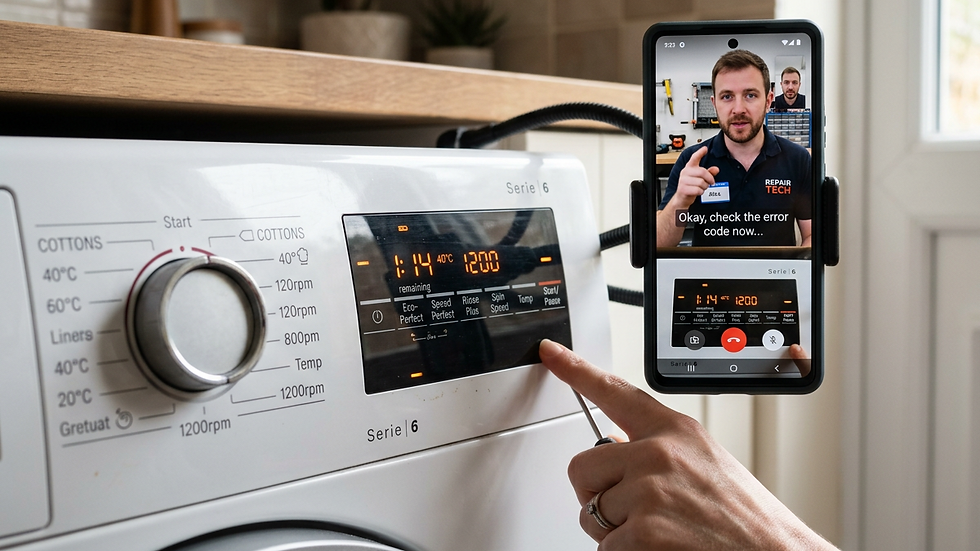
Remote appliance troubleshooting involves using digital communication tools to assess and identify problems with household appliances. This method leverages video calls, photos, and real-time interaction to guide homeowners through diagnostic procedures. It is particularly useful for initial assessments, enabling technicians to determine the nature of the problem and whether an on-site visit is necessary.
This approach offers several advantages:
Time Efficiency: Immediate interaction reduces wait times for service.
Cost Savings: Preliminary diagnosis can prevent unnecessary service calls.
Convenience: Homeowners can receive expert advice from the comfort of their home.
Safety: Minimizes physical contact, which is beneficial during health concerns or restrictions.
Remote troubleshooting is especially relevant for residents in urban areas like Toronto and surrounding regions, where traffic and scheduling can delay traditional service calls. It also extends to virtual diagnostic sessions available across North America, providing broader access to professional appliance repair expertise.

Key Components of Effective Remote Appliance Troubleshooting
Successful remote appliance troubleshooting depends on clear communication, proper tools, and a structured diagnostic process. The following components are essential:
Preparation: Homeowners should have basic tools ready, such as screwdrivers, flashlights, and access to appliance manuals.
Clear Visuals: High-quality video or photos of the appliance and its components help technicians identify issues accurately.
Step-by-Step Guidance: Technicians provide detailed instructions to perform tests or checks safely.
Data Collection: Information about appliance behavior, error codes, and recent usage patterns is gathered.
Assessment and Recommendations: Based on the findings, technicians advise on repair options, parts needed, or if an in-person visit is required.
This structured approach ensures that remote sessions are productive and lead to effective solutions.
How to Run Diagnostics on a Washing Machine?
Washing machines are among the most commonly serviced appliances. Running diagnostics remotely involves several steps that homeowners can perform under expert guidance:
Check Power Supply: Confirm the machine is plugged in and the outlet is functional.
Inspect Door Lock: Ensure the door closes properly; many machines will not operate if the door lock is faulty.
Observe Error Codes: Modern machines display error codes; note these for technician reference.
Run a Diagnostic Cycle: Some models have built-in diagnostic modes accessible via specific button sequences. The technician can guide the homeowner through this process.
Listen for Unusual Noises: Identify any abnormal sounds during operation, such as grinding or banging.
Check Water Supply: Verify that water hoses are connected and water is flowing.
These steps help isolate common issues such as electrical faults, door lock problems, or water supply interruptions. If the problem is more complex, the technician can determine if a service call is necessary.

Practical Tips for Homeowners Using Remote Appliance Diagnosis Services
To maximize the effectiveness of remote appliance diagnosis, homeowners should consider the following recommendations:
Prepare the Appliance Area: Clear the space around the appliance for easy access and better camera angles.
Use a Stable Internet Connection: A reliable connection ensures smooth communication during video sessions.
Have Appliance Documentation Ready: Manuals and warranty information can provide useful details.
Follow Safety Precautions: Always unplug appliances before inspecting internal components unless instructed otherwise.
Take Notes: Document observations and technician instructions for future reference.
Be Patient and Precise: Clear descriptions and careful execution of instructions improve diagnostic accuracy.
By following these guidelines, homeowners can contribute to a more efficient and accurate remote diagnosis process.
The Future of Appliance Repair: Integrating Remote and On-Site Services
Remote appliance troubleshooting is not intended to replace traditional repair services entirely but to complement them. It serves as a first step in the repair process, enabling technicians to triage issues and prioritize service calls effectively. This integration benefits both service providers and customers by optimizing resource allocation and reducing downtime.
Companies aiming to be trusted and reliable, such as Total Care Appliance Repair in Toronto, emphasize honest and prompt service. Incorporating remote diagnostic sessions aligns with these values by offering transparent and accessible support. As technology evolves, remote services are expected to become more sophisticated, incorporating artificial intelligence and smart appliance connectivity for even more precise diagnostics.
Homeowners in Toronto and across North America can expect continued improvements in virtual diagnostic sessions, making appliance repair more convenient and responsive.
Enhancing Appliance Maintenance Through Remote Support
Regular maintenance is key to prolonging appliance lifespan and preventing breakdowns. Remote support services can assist homeowners in establishing maintenance routines by:
Providing reminders for filter changes, cleaning, and inspections.
Guiding through simple maintenance tasks during virtual sessions.
Identifying early signs of wear or malfunction before they escalate.
This proactive approach reduces emergency repairs and contributes to overall appliance efficiency. Remote appliance troubleshooting thus plays a dual role in both repair and maintenance, supporting homeowners in managing their appliances effectively.
Remote appliance troubleshooting and diagnosis represent a significant advancement in home appliance service. By combining technology with expert knowledge, this approach offers practical benefits that align with the needs of modern homeowners. Whether addressing immediate issues or supporting ongoing maintenance, remote services enhance the reliability and convenience of appliance care.


Comments