
Fixing Washing Machines in Toronto: Your Guide to Washing Machine Troubleshooting
Washing machines are essential appliances in any household. When they malfunction, it disrupts daily routines and causes inconvenience. Understanding how to troubleshoot common washing machine issues can save time and money. This guide provides practical advice on diagnosing and addressing typical problems encountered with washing machines in Toronto homes. It also offers insights into repair costs and when to seek professional help.
Common Washing Machine Troubleshooting Techniques
When a washing machine stops working correctly, the first step is to identify the problem. Some issues are simple and can be fixed without professional assistance. Here are common symptoms and troubleshooting steps:
Washing machine won’t start: Check if the machine is properly plugged in and the circuit breaker has not tripped. Inspect the door latch to ensure it is securely closed, as many machines will not operate if the door is open.
Machine fills with water but does not agitate: This could indicate a problem with the agitator or the drive belt. Verify if the belt is intact and properly aligned.
Water does not drain: Clogged drain hoses or filters are often the cause. Remove and clean the filter or hose to restore proper drainage.
Excessive vibration or noise: Uneven load distribution or worn shock absorbers can cause this. Redistribute clothes evenly and check for damaged suspension parts.
Machine stops mid-cycle: This may be due to overheating or electrical issues. Allow the machine to cool down and check for any error codes displayed.
Performing these basic checks can resolve many issues. However, some problems require specialized tools or knowledge.

Identifying When to Call a Professional
While many minor issues can be addressed independently, certain situations necessitate professional intervention. Attempting complex repairs without proper expertise can lead to further damage or safety hazards. Consider contacting a technician if:
The washing machine leaks water continuously despite cleaning filters and hoses.
Electrical components such as the motor or control board appear faulty.
The machine fails to spin or agitate after basic troubleshooting.
Strange burning smells or smoke are detected during operation.
The appliance is under warranty and requires authorized service.
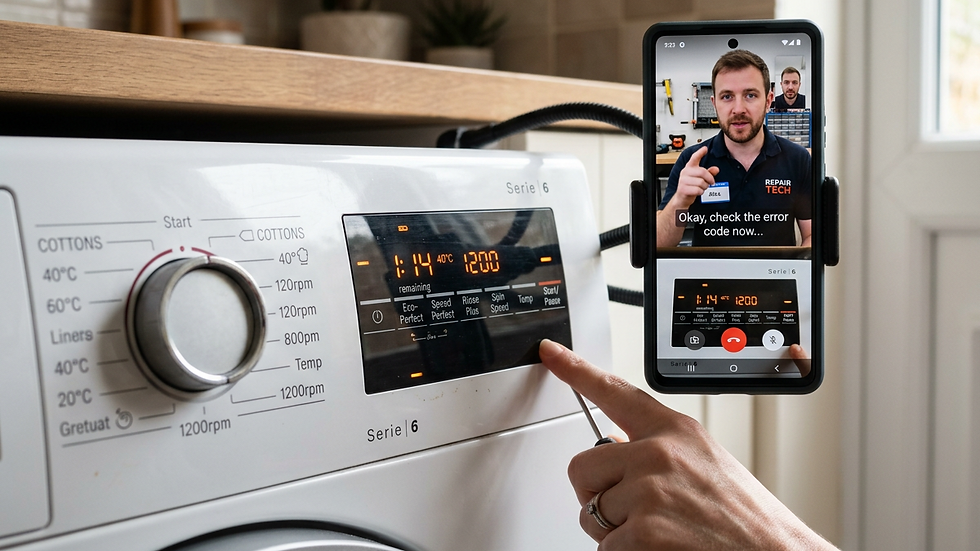
Professional repair services in Toronto offer diagnostic expertise and access to genuine replacement parts. They can also provide virtual diagnostic sessions, which are convenient for homeowners across North America.
How much does it cost to get someone to fix your washing machine?
Repair costs vary depending on the nature of the problem, parts required, and labor charges. On average, homeowners in Toronto can expect the following:
Service call fee: Typically between $50 and $100. This covers the technician’s visit and initial diagnosis.
Parts replacement: Minor parts such as belts or hoses may cost $20 to $50. Major components like motors or control boards can range from $150 to $400.
Labor charges: Usually billed hourly, ranging from $75 to $150 per hour depending on the service provider.
For example, fixing a clogged drain hose might only incur the service call fee, while replacing a motor will be more expensive. It is advisable to request a detailed estimate before authorizing repairs.
Some companies offer flat-rate pricing for common repairs, which can simplify budgeting. Additionally, virtual diagnostic sessions can reduce costs by identifying issues before an in-person visit.

Preventive Maintenance Tips for Washing Machines
Regular maintenance can extend the lifespan of a washing machine and reduce the frequency of repairs. Homeowners should consider the following practices:
Clean the detergent drawer and drum monthly to prevent buildup of soap residue and mold.
Inspect and clean filters and hoses every few months to avoid clogs.
Avoid overloading the machine, as this strains the motor and suspension.
Use the correct type and amount of detergent to prevent excessive suds and residue.
Level the machine to minimize vibration and wear on components.
Run a maintenance wash cycle with hot water and vinegar or a commercial cleaner to eliminate odors and deposits.
Implementing these steps can improve washing machine performance and reliability.
Choosing a Reliable Washing Machine Repair Service in Toronto
Selecting a trustworthy repair service is crucial for quality and peace of mind. Consider these factors when choosing a provider:
Experience and certifications: Technicians should have relevant training and industry certifications.
Customer reviews and reputation: Positive feedback and referrals indicate reliable service.
Transparent pricing: Clear estimates and no hidden fees build trust.
Warranty on repairs: Guarantees on parts and labor protect against future issues.
Availability and response time: Prompt service minimizes downtime.
For residents in Toronto, washing machine repair toronto services that offer honest, prompt, and high-quality repairs are ideal. Companies that provide virtual diagnostics add convenience and efficiency.
Enhancing Washing Machine Longevity Through Proper Use
Proper use complements maintenance in preserving washing machine functionality. Recommendations include:
Sorting laundry by fabric type and soil level to optimize wash cycles.
Using appropriate cycle settings for different loads.
Avoiding frequent use of high-temperature washes unless necessary.
Removing clothes promptly after the cycle to prevent mildew.
Checking pockets and zippers to avoid damage inside the drum.
Adhering to manufacturer guidelines and best practices reduces wear and tear.
This guide aims to equip homeowners with practical knowledge for washing machine troubleshooting and repair decisions. Understanding common issues, repair costs, and maintenance strategies helps maintain appliance efficiency and avoid unnecessary expenses. When in doubt, consulting a professional ensures safe and effective solutions.


Comments